
Walk into any garden center and you will find dozens of bird feeders in every shape and size. They may all look similar at first, but different feeders are designed for different birds, foods, and backyard conditions. Choosing the right one makes a big difference in which birds visit, how much seed you waste, and how often you need to refill.
This guide breaks down the most common types of feeders and helps you decide which ones belong in your yard.
Start With Your Goal
Before choosing a feeder, ask yourself two simple questions:
- Which birds do I want to attract? Cardinals, finches, woodpeckers, and hummingbirds all have different preferences.
- How much maintenance do I want? Some feeders need refilling daily, while others hold enough seed for a week.
Once you know your answer, the right feeder becomes much easier to pick.
Hopper Feeders
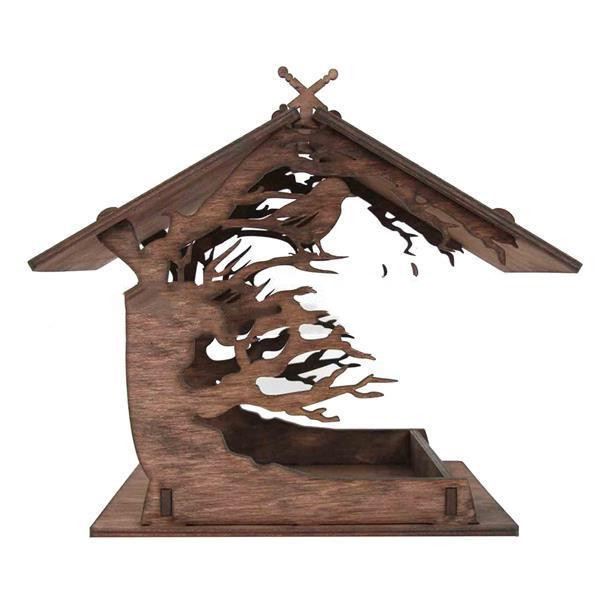
Hopper feeders look like small houses with a roof and clear or wooden sides. Seed is stored in the center and flows down into a tray as birds eat.
Best for: Cardinals, jays, grosbeaks, chickadees, titmice, nuthatches, and sparrows.
Best foods: Black oil sunflower, safflower, and mixed seed.
Pros:
- Holds a large amount of seed
- Protects seed from rain and snow
- Attracts a wide variety of birds
Things to consider: Hoppers should be cleaned regularly because seed can clump at the bottom in wet weather.
Tube Feeders
Tube feeders are cylinders with multiple feeding ports and perches. They are one of the most common feeder styles.
Best for: Chickadees, titmice, finches, nuthatches, and small woodpeckers.
Best foods: Black oil sunflower, mixed seed, and nyjer in specialty finch tubes.
Pros:
- Keeps seed dry and clean
- Favors smaller birds
- Easy to see seed levels
Things to consider: Choose metal ports and perches for durability against squirrels.
Platform and Tray Feeders
Platform feeders are open trays that can hang, sit on a post, or rest close to the ground.
Best for: Cardinals, juncos, sparrows, doves, towhees, and jays.
Best foods: Mixed seed, millet, cracked corn, sunflower, fruit, and mealworms.
Pros:
- Attracts the widest variety of birds
- Easy for birds to see food
- Great for ground-feeding species
Things to consider: Open trays expose seed to weather, so choose one with good drainage and only put out what birds will eat in a day or two.
Suet Feeders
Suet feeders are usually simple wire cages that hold a block of rendered fat mixed with seeds, nuts, or fruit.
Best for: Woodpeckers, nuthatches, chickadees, wrens, and titmice.
Pros:
- High-energy food, especially valuable in winter
- Inexpensive and easy to refill
- Attracts birds that may not visit seed feeders
Things to consider: In hot weather, use no-melt suet formulas to avoid spoilage.
Hummingbird Feeders
Hummingbird feeders hold sugar water (nectar) and have small feeding ports, usually surrounded by red accents.
Best for: Hummingbirds and sometimes orioles.
Things to consider: Nectar should be changed every few days, more often in hot weather, and the feeder should be cleaned each time.
Caged and Squirrel-Resistant Feeders
Caged feeders surround the seed with a metal cage that lets small birds in while keeping out larger birds and squirrels. Weight-activated feeders close the ports when something heavy lands on them.
Best for: Yards with heavy squirrel or blackbird activity.
Decorative Feeders
If your feeder is going to be a focal point on a deck or patio, consider a decorative feeder. Many decorative styles are fully functional and add a rustic or artistic touch to your outdoor space.
Materials Matter
- Wood: Classic rustic look. Cedar and pine are common. Look for sealed or treated wood that resists weather.
- Metal: Durable and squirrel-resistant. Copper and powder-coated steel age beautifully.
- Recycled plastic: Extremely durable, easy to clean, and does not crack or rot.
- Polycarbonate: Clear, tough, and shows seed levels.
Placement Tips
- Hang feeders about 5 feet off the ground.
- Keep them 10 to 12 feet from shrubs or trees to reduce squirrel jumps and predator ambushes.
- Place feeders either within 3 feet of windows or farther than 30 feet to reduce window collisions.
- Use a pole and baffle from our birding accessories if squirrels are a problem.
Frequently Asked Questions
How many feeders should I have?
There is no single right number, but most backyards do well with two to four feeders. A hopper or tube feeder for seed, a suet feeder, and a platform or tray feeder cover the needs of most common birds. Add a finch feeder or hummingbird feeder if you want to attract those birds specifically.
How long does it take birds to find a new feeder?
It can take anywhere from a day to a few weeks. Birds are cautious about new objects. Placing a new feeder near an existing one, scattering a little seed on the ground below it, and keeping it consistently filled will help birds discover it faster.
Do wood feeders last?
Quality wooden feeders made from cedar or treated pine can last for many years, especially if they are cleaned regularly and allowed to dry completely. Avoid leaving wet seed sitting in a wooden feeder, which can cause the wood to rot over time.
What is the easiest feeder to maintain?
Feeders that come apart easily for cleaning, hold a good amount of seed, and keep seed dry are the easiest to live with. Metal and recycled plastic feeders are especially low maintenance.
Our Recommendation for Beginners
If you are just getting started, begin with one hopper feeder filled with black oil sunflower seed and one suet feeder. Add a tube feeder or platform feeder as you learn which birds visit your yard.
Explore the full Rustic Feathers bird feeder collection to find the right feeder for your backyard.