
Fall migration is one of the most exciting times of year for backyard bird watchers. As the seasons change, millions of birds begin moving south toward wintering grounds, sometimes traveling hundreds or even thousands of miles.
For those birds, migration is an enormous physical undertaking. A backyard with dependable food, fresh water, and a little shelter can become a valuable stopover along the way.
Why Fall Migration Takes So Much Energy
Migration requires tremendous amounts of energy. Birds may fly for hours at a time before stopping to rest and rebuild their energy reserves.
Natural foods such as insects, berries, seeds, fruits, and nuts remain extremely important during migration. Native plants are particularly valuable because they provide both food and shelter. Audubon notes that native plants can provide migratory birds with fruits, seeds, insects, and places to rest along their journeys. Audubon
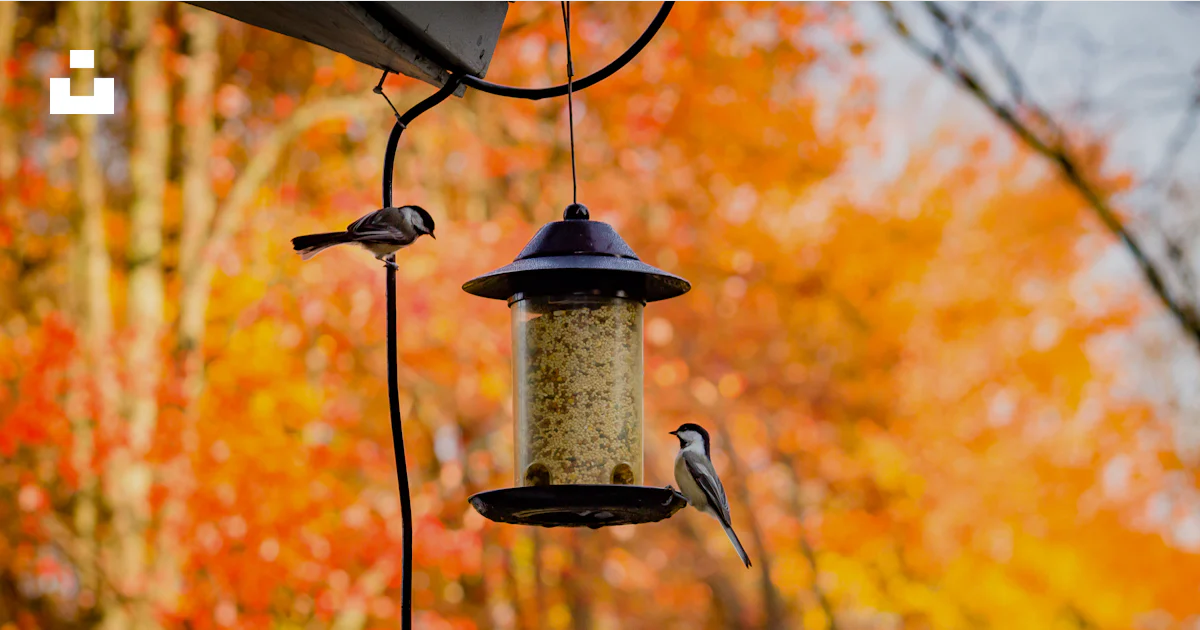
Backyard feeders can supplement those natural food sources. Audubon notes that many bird species use feeders during spring and fall migration as convenient refueling stations. Audubon
That means fall is a great time to make sure your backyard feeding station is clean, stocked, and ready for visitors.
Keep Your Feeders Full During Migration
There is a persistent myth that leaving feeders out in autumn will prevent birds from migrating.
Fortunately, that isn’t how migration works.
Migratory behavior is largely driven by instinct, seasonal changes, daylight, and other biological cues. Audubon specifically notes that backyard feeders do not stop normally migrating birds from continuing their journey. Audubon
So there is no need to remove your feeders simply because fall has arrived.
Keeping a variety of feeding options available can help both migrating birds passing through and resident birds preparing for colder weather.
For general seed-feeding birds, consider offering black-oil sunflower seed, sunflower kernels, quality wild bird seed blends, peanuts, and suet. Platform feeders are particularly versatile because they allow many different species and food types to be offered in one location.
You can browse our bird feeder collection and wild bird food selection to build a feeding station that works throughout migration season and into winter. Rustic Feathers carries tube, hopper, platform, squirrel-resistant, and specialty feeders for different backyard visitors. Rustic Feathers
Don’t Forget Hummingbirds
Hummingbirds are among the most remarkable fall migrants.
If hummingbirds are still visiting your yard, keep your nectar feeders available. Leaving them up will not convince healthy hummingbirds to skip migration. In fact, nectar feeders can provide useful supplemental energy for birds moving through your area. Audubon
Audubon recommends making hummingbird nectar with four parts water to one part plain white sugar and avoiding honey, artificial sweeteners, and red dye. Feeders should also be cleaned frequently, particularly during warm weather. Audubon
A good rule during fall is to leave hummingbird feeders up for roughly two weeks after you see your last hummingbird. That gives later migrants passing through another opportunity to refuel. Audubon
You can explore our specialty bird feeders for hummingbird, oriole, and other species-specific feeding options. Rustic Feathers
Water May Be Just as Important as Food
Food gets most of the attention during migration, but don’t overlook water.
Birds need dependable water for both drinking and bathing. Fresh water can attract birds that may never visit a seed feeder at all.
Cornell Lab migration guidance specifically highlights maintaining fresh, open water as one of the most useful things homeowners can provide for migrating birds. Bird Academy

A shallow bird bath placed near protective vegetation can become an important stop for tired travelers. Moving or dripping water can make it even easier for birds to discover.
Browse our bird bath collection for hanging, deck-mounted, ceramic, heated, and traditional backyard bird baths. Rustic Feathers
Keep Bird Baths Fresh and Clean
A bird bath is most helpful when the water is clean.
Leaves, feathers, droppings, seed hulls, algae, and other debris can build up quickly, particularly when many birds are stopping in the same backyard.
Audubon recommends regular bird-bath maintenance and notes that clean water is especially important during spring and fall migration when birds may rely on yards as places to recharge. Audubon
Empty old water regularly, rinse the basin, remove visible buildup, and refill it with fresh water.
The same principle applies to feeders. Increased migration traffic means more birds may be using the same feeding surfaces, so periodic cleaning is worthwhile.
Create More Than Just a Feeding Station
The best migration-friendly backyard combines food and water with natural habitat.
Native trees, shrubs, grasses, and flowering plants can supply berries, seeds, insects, nectar, and protective cover. Leaving some natural areas a little less manicured can also create places where birds can forage and rest.
Window safety deserves attention as well. Birds moving through unfamiliar areas can collide with reflections in glass, and Audubon recommends making windows bird-safe in yards that attract birds. Audubon
Think of your yard as a complete stopover rather than simply a place to hang a feeder.
A Simple Fall Migration Checklist
- Keep seed feeders stocked with fresh, quality bird food.
- Continue offering hummingbird nectar while hummingbirds are still passing through.
- Provide a dependable source of fresh water.
- Clean feeders and bird baths regularly.
- Leave native berries, seeds, and plants available whenever possible.
- Provide shrubs, trees, and other protective cover.
- Make nearby windows safer for visiting birds.
- Keep cats indoors or away from feeding and bathing areas.
Enjoy the Changing Cast of Backyard Visitors
One of the best parts of migration season is that you never know who may appear next.
A bird that spends only a day or two in your backyard could be hundreds of miles into a much longer journey. Others may arrive and remain for the winter just as summer residents disappear southward.
By keeping food available, providing clean water, and maintaining a bird-friendly landscape, your backyard can offer migrating birds an important place to rest and refuel — while giving you some of the most interesting bird watching of the year.
At Rustic Feathers®, we’re passionate about helping bird lovers create outdoor spaces that welcome birds throughout every season.
Explore Rustic Feathers bird feeders | Shop bird baths | Browse bird food