
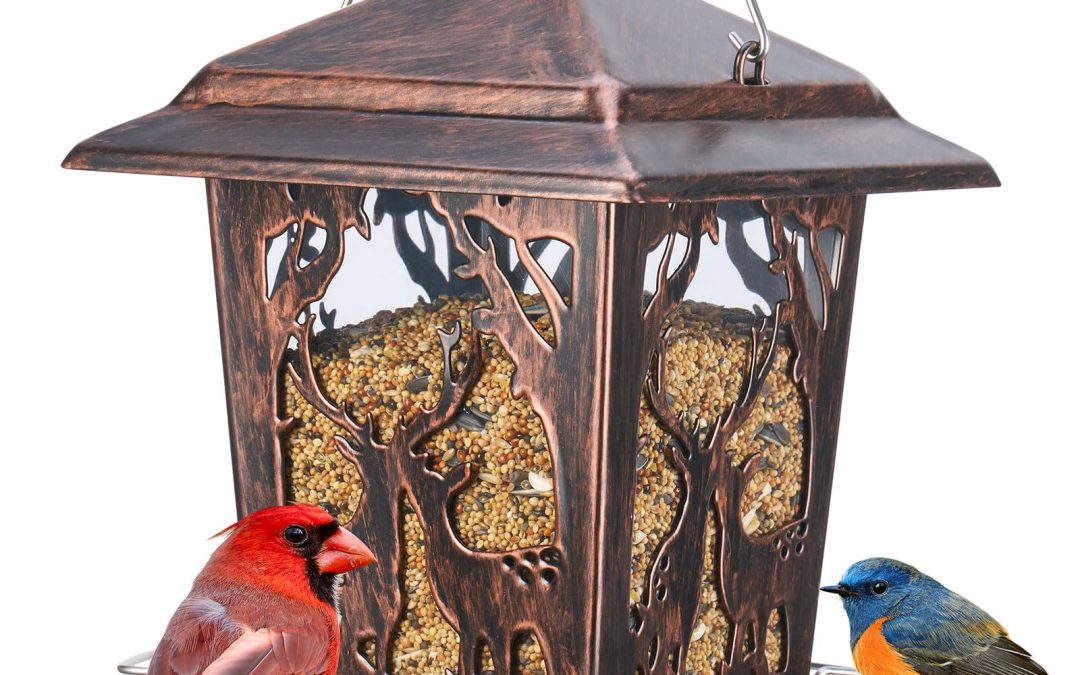
When the leaves start turning and the mornings get crisp, most people think of fall as the end of the backyard birding season. In reality, it is the beginning of one of the best stretches of the year. The birds that stay through winter are looking for reliable food, water, and shelter right now, and the yards that offer those things in October are the ones they return to all season long.
If you set things up well this fall, you can enjoy cardinals, chickadees, juncos, nuthatches, woodpeckers, and finches outside your window through the coldest months. Here is how to get ready.
Why Fall Is the Right Time to Start
Birds that overwinter in the Midwest spend the fall learning their territory. They map out where food and cover can be found and build daily routes between them. A feeder that goes up in late October has a good chance of becoming part of that route. A feeder that goes up in January often takes longer to be discovered because the birds have already settled into their patterns.
Fall is also when natural food sources begin to thin out. Insects disappear, many berries are eaten or fall, and seeds get buried under leaves and snow. Your feeders become a dependable supplement at exactly the time birds need extra calories to stay warm.
Step 1: Clean and Inspect Your Feeders
Before you fill anything, give your feeders a thorough cleaning. Summer heat and humidity can leave behind mold, old hulls, and bacteria that are harmful to birds.
- Empty out any old seed and scrape away caked material.
- Scrub with hot, soapy water or a mild solution of one part bleach to nine parts water.
- Rinse well and let everything dry completely before refilling.
- Check for cracks, loose perches, broken ports, and worn hangers.
Our feeder cleaning tools make it easier to reach inside tube feeders and corners where debris collects.
Step 2: Choose Winter-Friendly Feeders
Different feeders attract different birds, so offering a mix is the best way to bring variety to your yard.
Hopper Feeders
Hopper feeders hold a large amount of seed and protect it from rain and snow. They are a favorite of cardinals, jays, grosbeaks, and chickadees, and they mean fewer trips outside to refill when it is cold.
Tube Feeders
Tube feeders are ideal for smaller birds like chickadees, titmice, and finches. Models with metal ports and perches hold up better against squirrels and weather.
Suet Feeders
Suet is one of the most valuable winter foods because it is packed with fat and energy. Woodpeckers, nuthatches, and chickadees will visit a suet cage almost daily once they find it.
Platform Feeders
Platform or tray feeders welcome ground-feeding birds such as juncos, sparrows, and mourning doves. Choose one with drainage holes so snow and rain do not turn the seed to mush.
You can browse all of our bird feeders to find the right combination for your yard.
Step 3: Stock Up on High-Energy Foods
Winter birds need calories. The best foods for fall and winter include:
- Black oil sunflower seed – The single most popular seed for backyard birds. Thin shells and high fat content make it a great all-purpose choice.
- Suet cakes – Pure energy for woodpeckers, nuthatches, and chickadees.
- Safflower seed – Loved by cardinals and less appealing to squirrels and grackles.
- Nyjer seed – A favorite of goldfinches and pine siskins.
- Peanuts – Shelled or in the shell, a high-protein treat for jays, titmice, and woodpeckers.
Buying in larger bags in the fall saves money and ensures you will not run out during a stretch of bad weather. Store seed in a sealed metal or heavy plastic container to keep out moisture and rodents.
Step 4: Plan for Winter Water
Many people forget that birds need water just as much in winter as in summer. When temperatures drop below freezing, open water becomes scarce. A heated bird bath keeps water available all winter and can attract birds that never visit feeders at all, such as robins and bluebirds that stay through the cold months.
If you already have a bird bath you love, a heater or de-icer can often be added to it. Just be sure to keep the water clean and refreshed.
Step 5: Provide Shelter and Cover
Birds feel safer at feeders that are near natural cover. Place feeders about 10 to 12 feet from shrubs or evergreens. That gives birds a quick escape route from hawks without giving cats a hiding place right next to the feeder.
Consider leaving some brush piles, ornamental grasses, and spent perennials standing through the winter. They provide shelter from wind and a source of natural seed. Roosting boxes and birdhouses can also give small birds a warm place to spend cold nights.
Step 6: Get Ahead of Squirrels
Squirrels are busiest in the fall as they stock up for winter. If they are already a problem in your yard, now is the time to add a baffle or switch to squirrel-resistant feeders before you start filling them heavily. A well-placed pole baffle from our birding accessories can save you a lot of seed over the season.
Step 7: Commit to Consistency
Once birds start depending on your feeders, try to keep them filled, especially during snowstorms and cold snaps. Birds can find other food sources if you go away for a few days, but consistent feeding through the hardest weather makes a real difference and keeps them coming back to your yard.
Your Fall Checklist
- Clean and inspect all feeders and baths
- Add at least one hopper, tube, and suet feeder
- Stock up on black oil sunflower seed and suet
- Set up a heated water source
- Place feeders near natural cover
- Install baffles before squirrel season peaks
A little work this fall pays off with months of color and activity outside your window. Explore the full Rustic Feathers collection to get your backyard ready for the winter birds that are already scouting your neighborhood.