
Every fall, many homeowners rake every leaf, cut every perennial to the ground, and bag up anything that looks messy. It makes the yard look neat, but it also removes some of the most valuable food and shelter that birds rely on through the winter.
A bird-friendly garden does not have to look neglected. With a few small changes to your fall routine, you can support birds, insects, and other wildlife while still keeping your yard looking cared for.
Why a “Messy” Garden Helps Birds
In winter, birds depend on two things above all else: food and shelter. Much of that comes from plants and leaf litter.
- Seed heads from perennials and grasses provide natural food.
- Leaf litter shelters insects, caterpillars, and larvae that birds feed on in late winter and spring.
- Dense stems and brush protect birds from wind and predators.
When we clean everything away, birds have fewer places to forage and hide.
Leave Seed Heads Standing
Many garden flowers produce seeds that birds love. Instead of cutting them back in the fall, leave them standing until spring.
Great plants to leave standing include:
- Coneflowers – Goldfinches love the seeds.
- Black-eyed Susans – Seeds attract finches and sparrows.
- Sunflowers – A natural feeder for many birds.
- Asters and goldenrod – Provide seeds and shelter.
- Ornamental and native grasses – Seeds and winter cover.
Bonus: Standing seed heads look beautiful covered in frost or snow.
Rethink Leaf Raking
Fallen leaves are a natural mulch and habitat. Many insects and caterpillars overwinter in leaf litter. In spring, those insects become food for nesting birds and their young.
You do not have to leave every leaf on the lawn. Try these compromises:
- Rake leaves off the lawn and into garden beds as mulch.
- Leave a layer of leaves under trees and shrubs.
- Shred leaves with a mower and let them break down on the lawn.
Build a Brush Pile
A brush pile is one of the simplest ways to give birds winter shelter. Stack branches, sticks, and trimmings in a corner of your yard, starting with larger logs on the bottom and smaller branches on top. Sparrows, wrens, juncos, and cardinals will use it for cover from wind and hawks.
Place a brush pile within sight of your feeders, and you will often see birds dart back and forth between the two.
Hold Off on Pruning
Avoid heavy pruning of shrubs and evergreens in the fall. Dense shrubs provide important winter cover, and some birds roost in them overnight. Late winter or early spring is often a better time for most pruning tasks.
Keep Berry Plants Intact
Shrubs and trees that hold berries into winter are like natural bird feeders. Avoid trimming off fruit from plants such as:
- Winterberry holly
- Viburnum
- Serviceberry
- Crabapple
- Dogwood
Add Feeders and Water Where the Cover Is
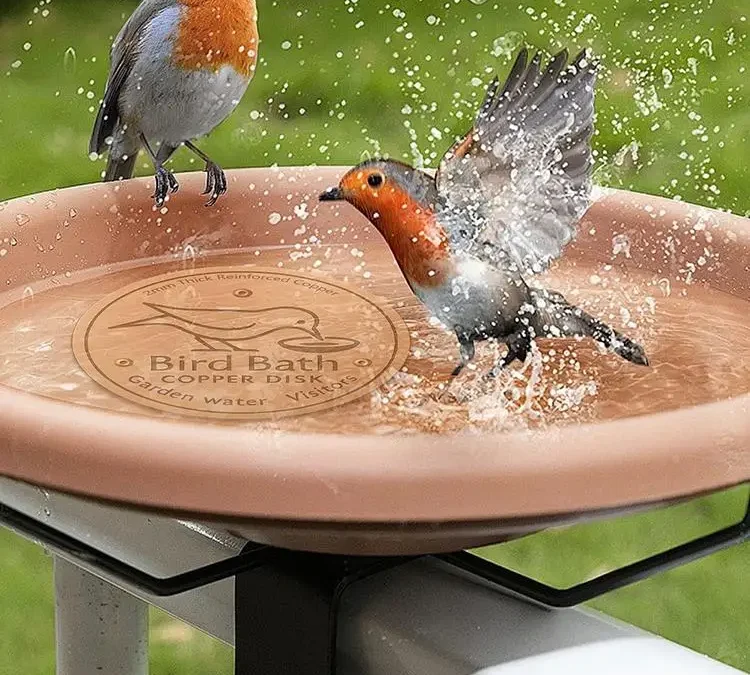
Once your garden is set up for winter, add feeders and water nearby. Birds prefer to feed close to shelter. A few well-placed bird feeders and a bird bath near your brush pile and seed heads create a complete winter habitat.
Tidy Where It Matters
A bird-friendly yard can still look intentional. Keep walkways, edges, and front beds neat, and let the wilder areas live in the back or side yard. A few well-chosen decorative touches, such as a rustic birdhouse or garden decor, make a natural area look planned and welcoming.
What You Should Still Clean Up
Some cleanup is still important:
- Remove diseased plant material to prevent problems next year.
- Clear invasive plants before they spread seeds.
- Clean and disinfect feeders and bird baths.
- Clean out old nesting material from birdhouses if you have not already.
Spring Cleanup, Done Right
In spring, wait until daytime temperatures are consistently in the 50s before cutting back old stems. That gives overwintering insects time to emerge. Cut stems to varying heights, since some native bees nest inside hollow stems.
Frequently Asked Questions
Will leaving leaves on my lawn kill the grass?
A thick, matted layer of leaves can smother grass. Instead, mow over leaves to shred them so they break down into the lawn, or rake them into garden beds where they act as mulch and habitat.
Does leaving plants standing invite pests?
In most cases, no. Standing seed heads and stems mostly shelter beneficial insects and provide food for birds. Remove any plants that showed signs of disease during the growing season, but leave healthy ones standing.
How messy is a bird-friendly garden?
It can be as tidy as you like. Keep front beds, edges, and walkways neat, and let back corners and borders stay a little wilder. Thoughtful edging and a few decorative accents make natural areas look intentional.
When should I put out brush piles?
Fall is the perfect time to build a brush pile from branches and trimmings, so birds have shelter in place before the first snow.
A Garden That Works All Year
By skipping a few fall chores, you create a garden that feeds and shelters birds all winter long. You will save time, support wildlife, and enjoy watching birds forage right outside your window.